
: +86 13827058066

Views: 0 Author: Site Editor Publish Time: 2025-11-27 Origin: Site


In an era defined by smart technology, the humble door lock has undergone a revolutionary transformation. The digital door lock, once a fixture of science fiction, is now a mainstream solution for homeowners and businesses seeking enhanced security, convenience, and modern appeal. Moving beyond the limitations of traditional keys, these intelligent devices offer a new paradigm for how we control access to our most important spaces.
This comprehensive guide will explore everything you need to know about digital door lock systems. We will delve into how they work, their key benefits, the different types available, and crucial factors to consider before making this smart upgrade to your home or office.
A digital door lock is an electromechanical locking device that operates without a traditional physical key. Instead, it uses electronic methods to authenticate users and grant access. At its core, the system consists of:
A Keypad, Sensor, or Scanner: This is the user interface. It could be a touchpad for PIN codes, a fingerprint reader, a card swiper, or a proximity sensor for smartphones.
A Control Unit (CPU): This is the brain of the lock. It verifies the entered credential (PIN, fingerprint, etc.) against its stored database.
An Actuator: This is the motor. Upon successful authentication, the control unit sends a signal to the actuator, which physically retracts the deadbolt.
Many modern digital door lock models are also part of the Internet of Things (IoT), allowing them to connect to your home Wi-Fi or a hub. This enables remote control and monitoring via a smartphone app, integration with other smart home devices, and real-time activity logs.
The shift from a mechanical lock to a digital door lock offers a multitude of advantages that extend far beyond simply eliminating keys.
1. Enhanced SecurityTraditional locks are vulnerable to picking, bumping, and lock snapping. High-quality digital door lock systems are significantly more resistant to these physical attacks. Features like anti-tamper alarms, which trigger after multiple incorrect access attempts, and the absence of a physical keyhole make them a formidable deterrent to intruders.
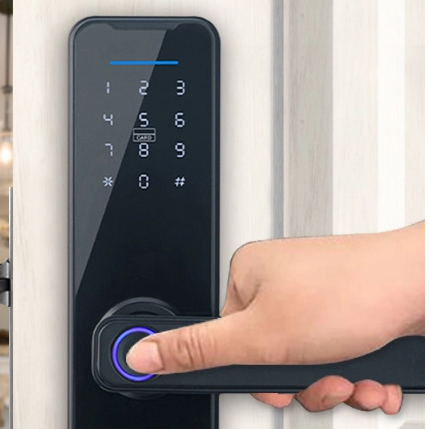
2. Unmatched ConvenienceImagine never fumbling for keys with your hands full of groceries. A digital door lock provides keyless entry at its finest. You can grant temporary, time-sensitive access codes to house cleaners, dog walkers, or guests without needing to make physical copies of keys. For families, it eliminates the "lost key" crisis and allows children to enter without carrying a key.
3. Remote Access and ControlWi-Fi-enabled smart locks offer the ultimate in control. You can lock or unlock your door from anywhere in the world using your smartphone. Forgot to lock the door on your way out? A quick check of the app and a tap on your screen is all it takes. You can also receive instant notifications when the door is locked, unlocked, or left ajar.
4. Comprehensive Access LogsCurious about when your kids got home from school or when a package was delivered? A digital door lock maintains a detailed log of every entry and exit, timestamped and often linked to the specific user (e.g., "Mom's PIN used at 5:15 PM"). This provides invaluable peace of mind and accountability.
The term "digital door lock" encompasses several technologies. Understanding the differences is key to choosing the right one for your needs.
Comparison of Digital Door Lock Types
| Type | How It Works | Pros | Cons | Ideal User |
|---|---|---|---|---|
| Keypad Lock | User enters a unique PIN code on a touchpad. | No key or phone needed; easy to install; cost-effective. | PIN can be observed by others; requires changing codes periodically for security. | Families, rental property owners, offices. |
| Biometric Lock | Scans a unique biological trait, most commonly a fingerprint. | Extremely high security; nothing to carry or remember; fast access. | Can be affected by dirty/wet fingers; higher cost; requires backup entry method. | Homeowners seeking maximum security, single users. |
| Smartphone/Bluetooth Lock | Unlocks via proximity (Bluetooth) or a tap in an app. | Ultimate convenience; seamless integration with smart home systems. | Relies on phone battery; may require a separate hub; privacy concerns for some. | Tech-savvy users, those invested in a smart home ecosystem. |
| Card/Fob Lock | Uses a proximity card or key fob, similar to a hotel lock. | Easy to issue and deactivate cards; familiar technology. | Cards can be lost or duplicated; requires carrying an extra item. | Offices, vacation rentals, hotels. |
| Multi-Method Lock | Combines two or more methods (e.g., Fingerprint + Keypad). | Offers flexibility and redundancy; layered security. | Higher cost and complexity. | Almost anyone seeking a versatile and reliable solution. |
Investing in a digital door lock requires careful thought. Here are the essential factors to evaluate:
Power Source: Nearly all digital locks are battery-powered. Look for models with long battery life and clear low-battery warnings. Crucially, ensure there is a physical override, like a 9V battery contact or a traditional keyhole, to get in if the batteries die completely.
Installation and Compatibility: Check if the lock is designed for DIY installation or requires a professional. More importantly, verify that it is compatible with your existing door (thickness, backset, handing) and deadbolt setup.
Connectivity: Decide if you need a basic offline model or a connected Wi-Fi/Z-Wave/Zigbee lock. Connected locks offer more features but may require a separate hub and raise questions about digital security and data privacy.
Security Features: Don't just look at the authentication method. Check for built-in security like brute-force lockout (disabling after failed attempts), encryption, and tamper alerts.
Build Quality and Weather Resistance: For exterior doors, the lock must be built from durable materials like zinc alloy or stainless steel and have a weatherproof rating to withstand rain, snow, and sun.
"What if the power fails?" As mentioned, digital locks use batteries. They will continue to function until the batteries are depleted, at which point the physical override is used. Power outages in your home do not affect the lock's operation.
"Are they hackable?" While any connected device carries a theoretical risk, reputable manufacturers use strong encryption protocols. Using a secure Wi-Fi network and strong, unique passwords for your associated accounts is the best defense.
A digital door lock is more than a gadget; it's a significant upgrade to your home's security infrastructure and your daily quality of life. The combination of robust protection against physical break-ins, the sheer convenience of keyless living, and the powerful ability to manage access remotely makes it a compelling investment.
By carefully considering your lifestyle, security needs, and the specific features outlined in this guide, you can confidently choose a digital door lock that not only secures your door but also seamlessly integrates into your modern, connected life. It’s a simple change that delivers profound peace of mind.


